
Understanding the New Dietary Guidelines While Prioritizing Eating Disorder Treatment: What’s Helpful and What You Can Leave Behind
On January 7th, 2026, the new 2025-2030 Dietary Guidelines for Americans, were released by the U.S. Departments of Agriculture and Health and Human Services. When new guidelines are released, they’re often framed as helpful updates about health. These guidelines can be overwhelming. Especially for those in eating disorder treatment or with a complicated relationship with food. Your relationship with food, internal cues, and recovery goals are the most important health messaging you can receive.

What Are Dietary Guidelines?
The new guidelines prioritize protein rich foods, healthy fats, fruits, vegetables, and whole grains. They advise consumers to limit added sugars, saturated fats, and sodium. They also urge people to avoid highly processed foods and beverages.
While these guidelines are intended as recommendations, they are more importantly used as a framework for national nutrition policy. This means they influence everything from school lunch programs to nutrition messaging. This messaging is shared by medical professionals. Some medical professionals have welcomed the change of the new guidelines. Others have regarded them as opaque and based on questionable research. As always with nutrition, the answer is nuanced.
What is Helpful to Know
The updated dietary guidelines offer key recommendations based on research. This research is supported by nutrition scientists and professionals:
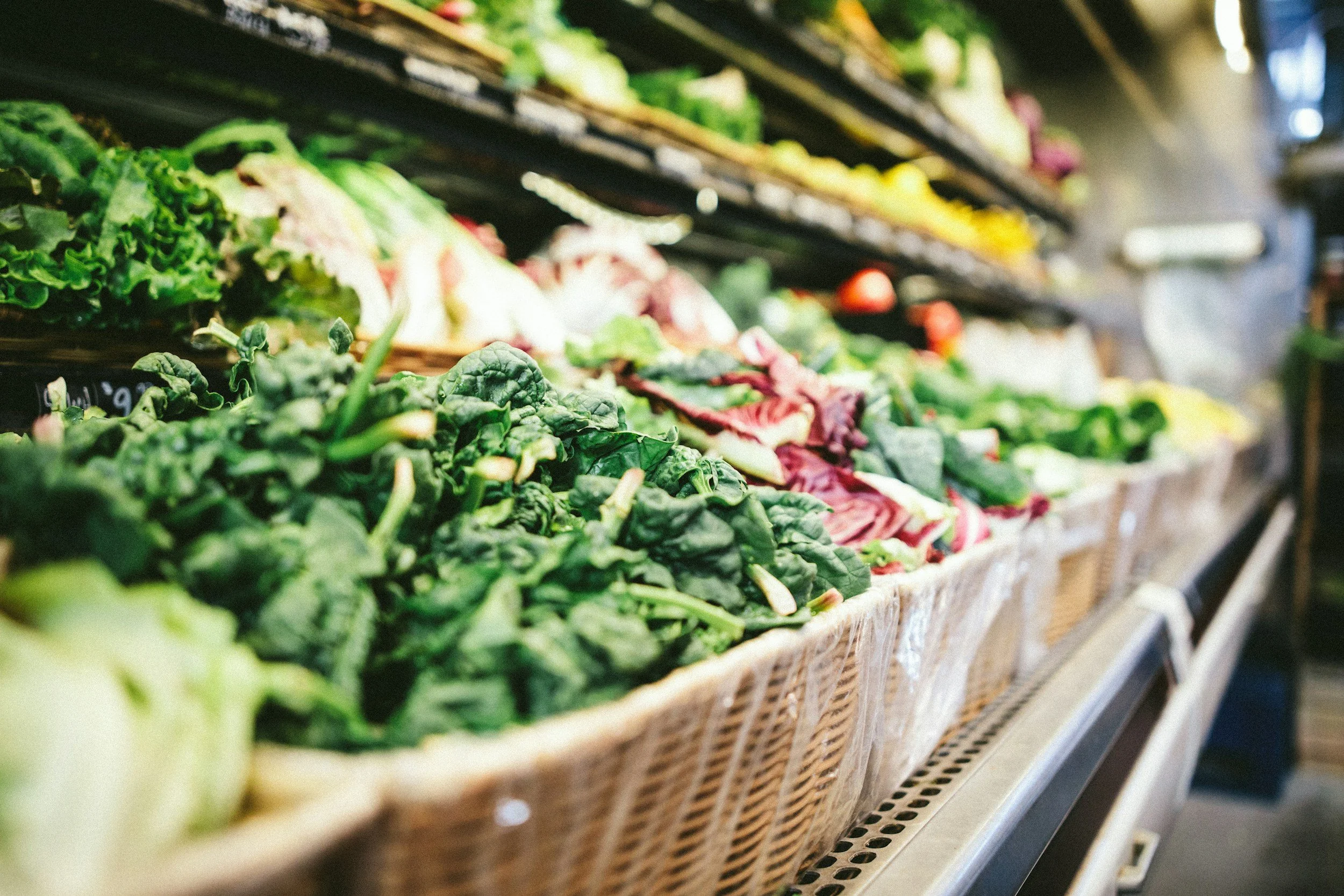
Consume more fruits and vegetables;
Limit sugar intake;
Avoid excessive sodium;
Reduce intake of highly processed foods;
Choose whole grains over refined grains;
Limit saturated fat intake to less than 10% of your daily calories.
There are a few recommendations that did not change, such as recommendations on saturated fat, dairy, sodium, calories, and water.
Some other recommendations that can be helpful are:
Emphasis on increasing food variety;
Focus on eating the right amount of food for you;
Balancing a diet that supports overall gut health;
Inclusion of canned and frozen vegetables, fruits, and beans as part of a healthy diet;
Overall focus on eating more nutrient dense foods.
Where the Dietary Guidance Falls Short; Especially for Those in Eating Disorder Treatment
The new guidelines presenting as an “upside down” pyramid. Visually it shows an emphasis on steak, cheese, whole milk, and some vegetables. However, the new dietary guidelines fall short in (more than) a few areas.
There is too much focus on protein.
Not only is steak the main focal point of this visual, but the updated guidelines suggest individuals to consume 1.2-1.6 grams/kg of protein each day. There is substantial evidence supporting that most Americans already eat enough protein. While protein is an important macronutrient, it’s not supportive for individuals to over-consume protein on a daily basis.
Additionally, most protein rich foods such as red meat, cheese, whole, milk, butter, and beef tallow, are simultaneously higher in saturated fats. Saturated fats are however, recommended to be limited to less than 10% of total calories. The messaging is mixed, which makes following this guideline very difficult.
Fiber is undervalued.
Fiber on the other hand, is a nutrient that many Americans do not consume enough of. Research shows that over 90% of Americans do not reach their recommended fiber intake. Most fiber rich foods are found in vegetables, plant proteins, fruits, and whole grains (AKA CARBS!). As you can see in the visual, these are listed at the “bottom” of the food pyramid. Carbohydrates from grains are essential! This messaging only contributes more towards diet cultures' view that “carbs = unhealthy.” This is everything that people work so hard to dismantle while recovering from an eating disorder or disordered eating.
The visual reduces the realistic emphasis on balanced eating.

The previous, MyPlate visual, was the old recommendation. It was a tool that many medical professionals and dietitians used to encourage realistic balanced eating. It has now been replaced with an inverted pyramid. The new model prioritizes a “hierarchy” with foods over a balanced approach to plating specific food groups. MyPlate was never perfect. However, the visual offered a broad, flexible framework. It emphasized inclusion of foods over reducing intake of foods. This has been shown to be extremely beneficial for those in eating disorder treatment.
The message to “Eat Real Food” is vague.
When hearing this message, many people are left confused as to what this truly means. On the surface it can sound simple. For many people this can quickly become very exclusionary and restrictive. The guidelines indicate that “real foods” are those that are minimally processed. This includes those cooked at home and from ingredients that are “recognizable.” While these ideally should be a part of a supportive and nourishing diet, the extreme emphasis on only “real” foods is limiting. It excludes the reality of food access, time, finances, medical needs, mental health, and much more.
The message also contributes to food moralization. It associates “healthy” with “good” and “unhealthy” with “bad”. The message may not have been intended to land this way. However, it can subconsciously intensify disordered thoughts and behaviors. This includes food guilt, restrictive behaviors, and reduce intake for many struggling with an eating disorder.
Conclusion
The dietary guidelines, while slightly flawed, offer some useful recommendations to improve the overall health of Americans. Based on research, most Americans do not follow the recommendations within the dietary guidelines. Policies, on the other hand, will be changed based on these new recommendations. The goal of these new guidelines should be to shift accessibility of whole foods and lower production expenses. It is about making meat, dairy, fruits, and vegetables more affordable. We know that food accessibility is a risk factor for eating disorders.
Overall, these guidelines are not intended to replace internal cues or the work of healing your relationship with food. Those internal cues are a key part of eating disorder recovery. The most important take-away is not to follow the recommendations, but to focus more on whether the way you’re eating supports you as an individual. This includes, your medical needs, mental health, energy levels, and recovery. You are allowed to take what feels supportive, question and ignore what feels harmful, and completely leave behind anything that reinforces guilt, restriction, or fear with food.
About the Author: A Registered Dietitian and Eating Disorder Specialist
Anna Woolslager, MS, RD, LD is a registered dietitian in New Jersey at Michelle Pillepich Nutrition. She specializes in guiding those with disordered eating and restrictive eating patterns. Anna is passionate about helping folks build a guilt-free relationship with food again! If you are looking for nutrition support from experts in all things food, check out Anna and the other registered dietitians at Michelle Pillepich Nutrition
How to Get Support Without Falling Into An Eating Disorder
If you are feeling overwhelmed with the new guidelines, it is important to seek professional help from an eating disorder specialist. You do not need to navigate the confusion alone. Find a registered dietitian or therapist to guide you through choices that feel the healthiest and most fulfilling to your body.
If you are looking for an eating disorder therapist, Serendipity Counseling is here to help. We offer individual and group therapy for those looking to improve their relationship with food, body and sport! Here are a few steps to get you started:
Contact Serendipity Counseling to set up a free 20 minute consultation call.
See if we are a good fit for you.
Set up your first therapy session and get started on your journey to food and body freedom!