

Body Image Therapy
Transform your relationship with your body.
Are you sick of feeling overwhelmed about your body?
Scared of passing by a mirror or reflection in the window?
You spent 2 hours trying to find an outfit you feel comfortable enough to go out to see your friend… you are an hour late to then spend the entire lunch thinking about how tight your jeans feel against your stomach.

Why Addressing Body Image Issues is Essential for Your Mental Health
Body image is how you perceive, think about, and feel toward your body’s appearance, size, and shape. When negative body image takes hold, it affects much more than how you see yourself in the mirror. It impacts your mental and physical health, relationships, career and overall quality of life.
Research shows that up to 80% of adolescents report body dissatisfaction, while about 50% of adult women experience depression or anxiety connected to body image concerns. These numbers reflect a common struggle that are not talked about enough and can lead to increasingly dangerous consequences over time.
Poor self-esteem, anxiety, depression and eating disorders are linked to negative body image.
Body Image Therapy Can Help You Find…
Improved Self-Esteem: Develop a healthier relationship with your body and rebuild self-worth that diet culture and social media have diminished
Reduced Anxiety: Decrease body-related anxiety and social discomfort that leads to increased isolation and avoidance behaviors
Prevention of Eating Disorders: Early intervention can prevent development of serious conditions including binge eating disorder and other disordered eating patterns
Better Mental Health: Address underlying depression, anxiety, and other mental health issues that frequently accompany poor body image
What is Body Image Therapy?
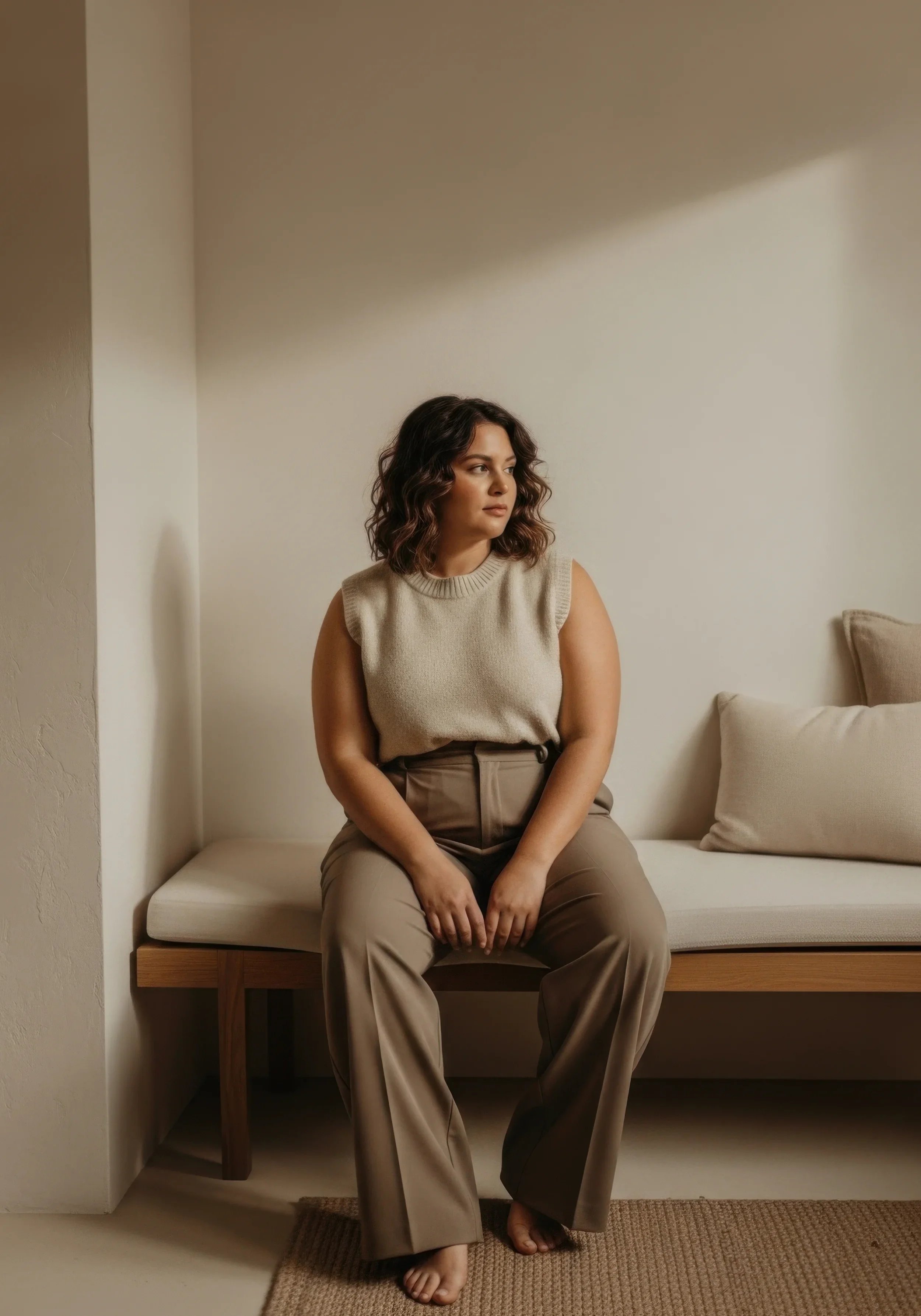
Body image therapy is specialized counseling that addresses the complex relationship between how you perceive your body and your overall mental health. Here we recognize that negative body image involves multiple dimensions: thoughts about your appearance, feelings toward your body, behaviors you engage in, and even distortions that affect how you see yourself.
The Benefits of Body Image Therapy
Working with a trained body image therapist brings thoughts and feelings about your body into focus, allowing you to:
Develop respect towards your body and self-acceptance that remains resilient against social pressures
Build healthy coping strategies that replace extreme measures like restrictive eating or excessive exercise
Address risk factors before they develop into clinical eating disorders
Improve relationships, social interaction, and intimate connections affected by body concerns
Restore a sense of peace with food, physical activity, and confidence
Top 10 Signs You May Be Struggling with Body Image Issues
-
Frequently examining your appearance in mirrors, measuring body parts, or avoiding reflective surfaces entirely
-
Harsh criticism about your physical appearance on a daily basis that affects your mood and self esteem
-
Avoiding social situations, the running community, or gatherings due to appearance concerns and fears of judgment
-
Compulsive working out to lose weight or change body shape, including injury, dizziness or decreased concentration
-
Limiting food intake, following extreme diets, binging or developing disordered eating patterns or an eating disorder
-
Refusing to wear certain clothes, difficulty shopping, or wearing only baggy clothing to hide your body
-
Constantly comparing your body to others, preoccupation with appearance, or measuring yourself against social media images
-
Obsessive focus on perceived physical flaws
-
Depression, anxiety, irritability or emotional instability specifically related to body appearance and weight concerns
-
Body image concerns affecting intimate relationships, sexual satisfaction, or willingness to engage in normal social activities
Body Image Counseling in Cherry Hill, NJ
Individual Body Image Therapy
Serendipity Counseling provides one-on-one therapy sessions for adults and teens struggling with body image concerns in Cherry Hill and throughout NJ. Individual therapy creates a safe, confidential space to explore the root causes of negative body image and develop personalized strategies for recovery. Our body image therapist, Kate Ringwood, LPC helps guide folks through gaining confidence and trust with their body. She uses cognitive-behavioral therapy, acceptance and commitment therapy, exposure therapy and compassion-focused approaches tailored to your specific needs.
Body Image Counseling Process
Step 1: Scheduling a Consultation Call
Check out the schedule and easily select a time that fits for you. Chat with our body image therapist for a free brief 15 minutes call. Share your concerns, learn about our body image therapist and see if you are a good fit.
Step 3: Initial Assessment
Develop a trusting relationship with your new body image therapist and develop goals that meet you where you are, while also challenging you.
Step 2: Building a Relationship
Learn about your history of negative body image, how it came to be and how it impacts your life. Develop skills to help manage your thoughts and emotions, while gaining trust back with your body.
Step 3: Active Treatment Phase
Regular counseling sessions focus on reshaping negative thought patterns, reducing avoidance behaviors, and building positive body image.
Contact Serendipity Counseling
Get Started with Body Image Therapy Today!
Take the first step toward healing your relationship with your body through professional support. Our body image expert provides compassionate, evidence-based treatment for body image concerns affecting your mental health and daily life.
Frequently Asked Questions
-
Treatment duration varies based on severity and individual factors. Depending on where you are in your journey, how long you have been feeling this way and how it impacts your day to day life, often plays a part in how long body image therapy can take. More complex cases involving eating disorders or comorbid mental health conditions may require longer support.
-
Yes, negative body image is a major risk factor for developing eating disorders including anorexia nervosa, bulimia nervosa, and binge eating disorder. Studies show that body dissatisfaction in adolescence significantly increases the risk of disordered eating behaviors and clinical eating disorders. Early intervention is crucial for preventing escalation and more dangerous consequences.
-
Absolutely. I provide age-appropriate individual therapy for clients ages 16 and up experiencing body dissatisfaction. Research shows body image concerns can begin as early as age 8, and early signs of distress benefit from prompt attention. Family-based treatment and developmentally appropriate cognitive-behavioral approaches are particularly effective for younger clients. I am trained in family-based treatment for adolescents if your child is under 16 years of age.
-
I utilize evidence-based methods including Cognitive Behavioral Therapy (CBT), Acceptance and Commitment Therapy (ACT), Radically Open Dialectical Behavioral Therapy (RODBT) and exposure therapy. CBT helps challenge negative appearance beliefs and reduce checking or avoidance behaviors. ACT focuses on accepting difficult thoughts and feelings while living according to personal values. RODBT addresses flexibility, openness and social connections. Exposure therapy helps you practice difficult anxiety provoking activities to help gain confidence.
-
Research indicates that approximately 46% of teens report that social media makes them feel worse about their bodies. Algorithms that promote appearance-focused content, filtered images, and comparison-inducing posts intensify body dissatisfaction in the general population. Part of treatment involves developing resilience to these influences and building intuitive eating and self-acceptance practices.
-
Yes! I am located in NJ and have an office near Cherry Hill. However, am also licensed to see folks for body image concerns in PA, MD, FL, VT and AZ.
Other Services at Serendipity Counseling
Serendipity also offers support for eating disorders in runners and other athletes. In-person therapy in Cherry Hill, NJ, just outside of Moorestown and Haddonfield. If you are not located in New Jersey, we also offer virtual eating disorder therapy in Pennsylvania, Maryland, Florida, Vermont and Arizona.
-
Eating Disorder Therapy for Athletes is individual therapy for ages 16+ who are struggling with their relationship to food, their body and to their sport.
-
Family Based Therapy is for adolescents struggling to heal their relationship to food. It offers support through weekly family sessions.
-
Therapy for Relative Deficiency in sport (REDs) is for those struggling with low energy availability.