
Bodybuilding and Eating Disorders: A Guide for Male and Female Bodybuilders
Key Takeaways
Male and female bodybuilders face elevated risks for eating disorders, muscle dysmorphia, and exercise addiction, even when they appear "fit."
Rigid dieting, constant body checking, and distress when missing workouts can signal disordered eating rather than healthy discipline.
Research shows that almost 68% of male bodybuilders show signs of disordered eating, and one in four athletes struggle with an eating disorder across all sports.
Early support from eating disorder therapists, sports dietitians, and medical providers is crucial to prevent long-term physical damage and mental health decline.
Serendipity Counseling offers specialized support for athletes navigating body image, disordered eating, and performance pressures.
Introduction: When Bodybuilding and Eating Disorders Overlap
People get into bodybuilding for many different reasons. Some are in search of a way to feel confident both with their physical ability and their determination. Some are looking for a way to challenge their competitiveness after leaving another sport. A typical week for a bodybuilder, male or female, can look like five to six training sessions, weighed meals, macro tracking down to the gram, and hours spent planning nutrition around workouts. From the outside, this reads as discipline. From the inside, it can start to feel like a cage.

The overlap between bodybuilding and eating disorders is more common than most people realize. One in four athletes struggle with an eating disorder, and about 70% of athletes experience disordered eating at some point in their careers. Let’s break down a few terms you may here me talk about in this article:
Eating disorders: include anorexia nervosa, bulimia nervosa, and binge eating disorder-all psychiatric conditions with serious physical and mental consequences.
Disordered eating: refers to subclinical behaviors like extreme restriction, purging, or rigid food rules that don't meet full diagnostic criteria but still cause harm.
Muscle dysmorphia: a form of body dysmorphic disorder where a person believes they are insufficiently muscular despite clear evidence otherwise.
Exercise addiction: compulsive training beyond healthy limits, complete with withdrawal symptoms and distress when unable to work out.
This article explores how bodybuilding culture can fuel these disorders, what warning signs look like, and where to find support-whether you're a competitive athlete, a recreational lifter, or someone who cares about one.
How Bodybuilding Culture Shapes Body Image
Bodybuilding's ideal physique demands extreme leanness paired with large muscle mass. This is a combination that distorts body image perception for both males and females. Men often aim for extremely low body fat percentages with visible striations and vascularity. Women face their own pressures including low body fat, muscular definition, and a balancing act between muscularity and societal expectations of femininity. This can shift depending on the competitive division.
Social pressure in bodybuilding can lead to body dissatisfaction at every level. Instagram transformation posts, YouTube physique updates, and TikTok "day of eating" videos create a constant stream of comparison. About 25% of male body builders struggle with muscle dysmorphia, with younger lifters being at a higher risk. The athletic environment can trigger disordered eating behaviors even in people who entered the sport with a healthy relationship with food and body image.

Eating disorders are positively related to body dissatisfaction. The more a person fixates on the gap between their current physique and an idealized one, the greater risk they carry. Social pressure in bodybuilding can lead to unhealthy habits that extend well beyond the gym: avoiding social situations, declining meals with friends, and organizing entire days around food and exercise.
A person sits quietly on a gym bench with their head down, surrounded by unused gym equipment, reflecting a moment of introspection that may indicate struggles with body image and mental well-being. This scene highlights the often unseen emotional challenges faced by individuals, particularly those in competitive bodybuilding, who may experience disordered eating or body dissatisfaction.
The presence of performance-enhancing substances in bodybuilding shifts what is physically achievable, making natural athletes feel perpetually behind. This creates a significant difference between what many bodybuilders see in the mirror and what actually exists.
Risk Factors: When Training Slips into Disordered Eating
Bodybuilding is not an eating disorder. But certain elements of the sport create greater risk for developing disordered eating, particularly those who compete or train at high intensity. Athletes tend to share characteristics with individuals who have eating disorders. These include perfectionism, rigid thinking, high tolerance for discomfort, and a willingness to override the body's signals in pursuit of a goal.
The numbers are striking: About 68% of male bodybuilders struggle with disordered eating. Extreme dieting is common in competitive bodybuilding at every level. Disordered eating is often normalized in fitness contexts as a sign of discipline, making it harder for many bodybuilders to recognize when their behavior has crossed a line. Bodybuilding athletes often pursue extreme aesthetic goals leading to eating disorders without realizing the shift has happened.
Common risk factors include:
Perfectionism and rigid, all-or-nothing thinking around food or exercise
History of bullying or negative comments about appearance or body weight
Previous weight cycling or yo-yo dieting
Exposure to diet culture messaging that frames restriction as optimal
Family history of eating disorders or anxiety disorders
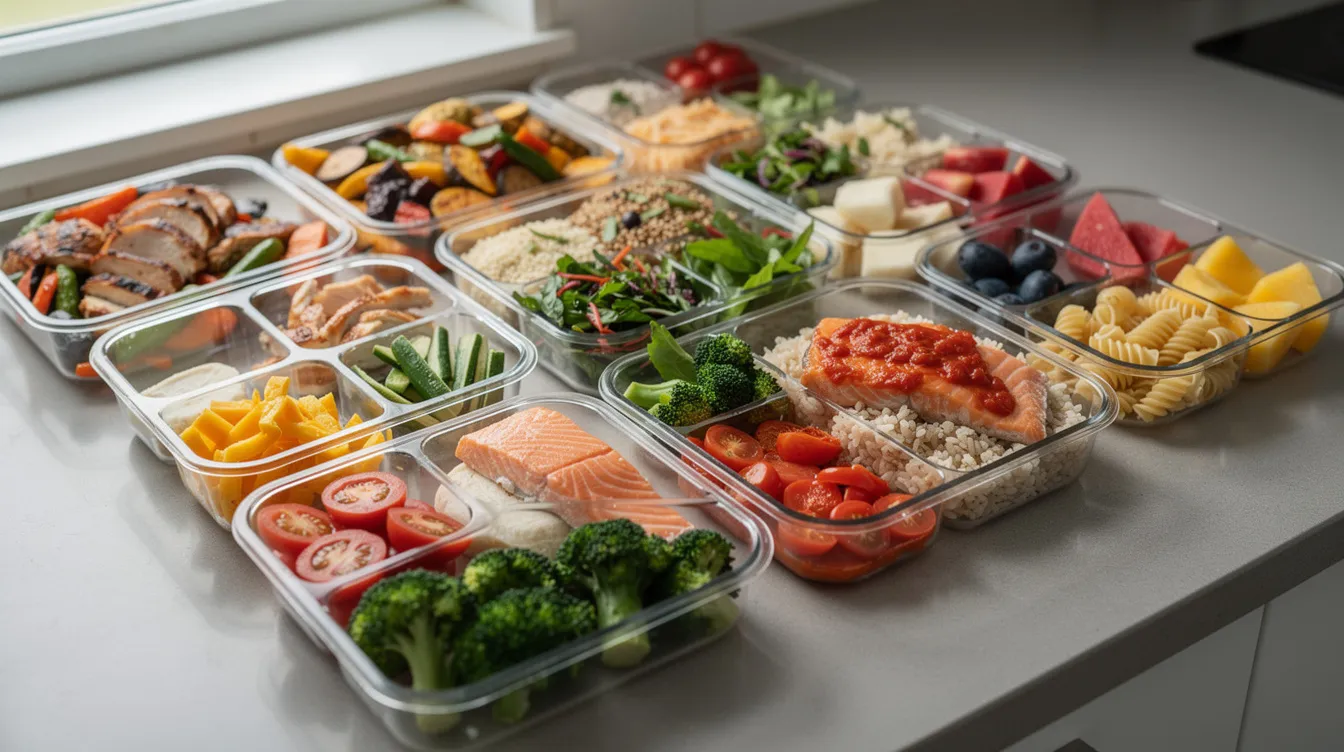
A close-up view of several neatly organized meal prep containers filled with a variety of foods, displayed on a kitchen counter, highlighting the importance of nutrition in maintaining a healthy relationship with food, particularly for those involved in bodybuilding and fitness. This image reflects the careful planning often associated with managing body weight and mental well-being in the context of diet culture and disordered eating.
"Bulking" and "cutting" cycles normalize extreme calorie changes. During a bulk, a person may consume more calories daily. During a cut, that same person may drop to an extreme calorie deficit. Caloric cycling can trigger a binge-restrict cycle affecting food relationships in lasting ways. Over time, this pattern can become chronic rather than seasonal.
Compliments reinforce the behavior. Praise for weight loss, likes on progress photos, and competition placements all serve as powerful reinforcement. When the compliments stop-or the placing isn't what was expected-the response is often to diet harder, train longer, and push further into dangerous territory.
Use of performance-enhancing substances (stimulants, anabolic steroids, fat burners) is an important factor to consider. Muscle dysmorphia is often seen along side of performance-enhancing drugs. Substance use may signal underlying body image or mental health struggles rather than simple performance optimization.
Muscle Dysmorphia and Body Dysmorphic Concerns
Muscle dysmorphia is prevalent among male bodybuilders, but it affects female lifters as well. Body dysmorphia, sometimes called "bigorexia," includes preoccupation with perceived physical flaws. In this case, the belief that one's body is too small, too soft, or insufficiently muscular.
Common behaviors include:
Constant mirror checking or, conversely, avoiding mirrors entirely
Avoiding social events if feeling "small" or "flat"
Hiding under oversized clothing outside the gym
Obsessing over specific body parts like arms, shoulders, or legs
Distress lasting more than an hour daily about appearance
Muscle dysmorphia drives compulsive exercise and diet rigidity among bodybuilders, making it difficult to take rest days or eat flexibly. Men with muscle dysmorphia were found to have significantly higher rates of lifetime mood disorders and anxiety disorders.
Many bodybuilders with muscle dysmorphia function well at work, school, or in daily life, which masks the severity of their distress. If preoccupation with perceived flaws is accompanied by persistent anxiety or depression, seeking professional help is often needed.
Restrictive Diets and "Clean Eating" Gone Too Far
Structured nutrition is part of bodybuilding. Tracking macros, timing meals around workouts, and adjusting intake based on goals are standard practices. The point at which this becomes disordered eating is when food rules cause significant anxiety, shame, or social avoidance.
Red flags include:
Refusing to eat at restaurants due to unknown macros
Extreme fear of certain foods
Feeling severe guilt after eating anything "off the plan"
Isolating from social situations that involve food
Obsession with eating “clean”
Binge eating often follows strict dieting in bodybuilding, leading to rapid weight gain and a cycle of shame and further restriction. Chronic under-fueling with high training volume leads to fatigue, hormonal issues, injuries, and low libido in both men and women. For female bodybuilders may experience amenorrhea or oligomenorrhea during competition prep.
Exercise Addiction and Overtraining
Compulsive exercise can indicate an eating disorder, particularly when training continues despite injury, illness, or serious emotional and social costs. Exercise addiction is not about loving the gym. It's about needing the gym to manage anxiety, self-worth, or food guilt.
Signs to watch for:
Refusing rest days under any circumstances
Severe distress or panic when a workout is missed
Training through pain or injury
Prioritizing gym sessions over relationships, work, or life commitments
Needing to "earn" or "burn off" all food through exercise
Overtraining worsens mood, increases irritability, disrupts sleep, and paradoxically stalls muscle gains. Female bodybuilders are at significantly higher risk for exercise dependence than recreational lifters, confirming that deeper involvement in the sport increases risk.
Warning Signs of Eating Disorders in Bodybuilders
Many athletes struggle with eating disorders despite high performance. The signs are not always obvious, and they are frequently mistaken for dedication. Here are concrete indicators to look for:
Eating-related signs:
Skipping meals to maintain leanness year-round
Secret binge eating after periods of strict restriction
Rigid food rules that cause distress if broken
Purging behaviors including vomiting, laxative use, or excessive cardio after eating
Body image signs:
Frequent body checking (measuring, pinching, photographing)
Constant dissatisfaction with size or leanness despite visible muscle mass
Needing reassurance about appearance multiple times daily
Behavioral signs:
Withdrawing from social situations involving food
Hiding supplements, laxatives, or diuretics
Abusing substances before shows or photo shoots
Mental health signs:
Increasing anxiety, especially around meals or rest days
Depressed mood
Irritability during cuts
Belief that self-worth depends entirely on physique or achieving specific body types
Notice that none of these signs have anything to do with someone’s actual body size.
If you recognize multiple symptoms in yourself or someone you care about, consider a consultation with an eating disorder specialist. A formal diagnosis matters less than getting support for patterns that are causing distress.
Health Consequences: Beyond the Stage and the Gym
Eating disorders are serious medical and mental health conditions. They are not simply "bad dieting" or evidence of too much dedication. Eating disorders can negatively affect athletic performance and overall fitness, creating a cruel paradox where the behaviors intended to improve a physique end up destroying it. It is important to monitor for signs of Relative Energy Deficiency in sport (REDs), which can lead to negative impacts on physical and mental health. REDs is when there is not enough fuel to power your body. In other words, your body is working with low energy availability.
Physical consequences across all bodybuilders include:
Hormonal imbalances (low testosterone in men, amenorrhea in women)
Fertility issues and reduced reproductive function
Decreased bone density and increased fracture risk
Heart strain from electrolyte imbalances, dehydration, or stimulant use
Digestive problems from chronic restriction or purging
Prolonged dietary restriction can result in physical deterioration and fatigue that undermines training capacity
Psychological consequences compound the physical damage:
Worsening anxiety and depression (higher rates than in the general population)
Sleep disturbances tied to under-fueling and overtraining
Increased risk for substance abuse, including steroid dependence
Suicidal ideation-body dysmorphic disorder carries elevated risk of attempt compared to the general population
Higher risk for eating disorders
Many complications are reversible with early intervention. But chronic disordered eating and overtraining damage well being in ways that accumulate over years. Even without a full clinical eating disorder diagnosis, the pattern itself does harm.
Seeking Help: Treatment Options for Bodybuilders and Strength Athletes
Asking for help does not mean giving up bodybuilding or lifting. It means building the knowledge and awareness to train in a way that supports your mental well being rather than eroding it. Therapy can help athletes establish healthy values outside their sport. Ultimately, building an identity that doesn't collapse when a cut goes wrong or a competition doesn't go as planned.
An eating disorder therapist familiar with athletes will understand the difference between normal contest prep and pathological restriction. Sessions explore identity beyond physique, challenge perfectionism, address body dissatisfaction, and rebuild self-worth on a foundation larger than appearance.
A sports-informed registered dietitian can help design flexible, performance-supportive nutrition plans that reduce fear and rigidity around food. For athletes who have been trapped in caloric extremes, the shift toward intuitive eating principles, such as learning to trust hunger and fullness cues again, can be incredibly helpful to building a healthier mind and body.
A primary care provider or sports medicine physician should monitor labs, hormones, and heart health when concerns arise. For women, restoring energy availability is critical to reversing menstrual dysfunction and protecting bone health.
How Serendipity Counseling Supports Bodybuilders
Serendipity Counseling specializes in working with athletes of all genders who are struggling with eating disorders, body image concerns, and the pressures of competitive sport. Online therapy is beneficial for athletes struggling with eating disorders, and Serendipity Counseling offers virtual therapy across New Jersey, Pennsylvania, Maryland, Florida, Vermont and Arizona.
The therapeutic approach is non-diet and weight-inclusive, focused on reducing shame and integrating athletic goals with mental health needs. Sessions may explore:
Training history and competition experiences
Food and body image concerns
Pressures from coaches, peers, or social media
The role of exercise in managing emotions
If you or someone you know is navigating these challenges, check out Serendipity Counseling and schedule a brief consultation to talk about what support could look like. Remember, recovery does not require walking away from the weight room. The goal is to establish a pattern where training enriches your life rather than consuming it.
About the Author: Expert in Eating Disorders in Athletes
Kate Ringwood is a licensed professional counselor that works specifically with eating disorders in athletes. Her level of expertise comes from both her personal and professional knowledge and experience. As an eating disorder therapist, Kate has worked with athletes of all levels and abilities from recreational lifter to professional rower. Her goal is to help you feel less exhausted in your sport and get back to the motivational, passionate relationship you once had.
FAQ
Can I still compete in bodybuilding if I've had an eating disorder?
Some individuals return to competition after substantial recovery with strong support systems in place. Others find that staying in competitive bodybuilding perpetuates disordered patterns. This is not a decision to make alone. Work collaboratively with an eating disorder therapist, dietitian, and medical provider who have knowledge of bodybuilding culture. Taking time to recovery can help demenstrate that stepping back temporarily does not mean the end of the sport. It can mean a healthier return.
How do I know if my strict diet is "normal bodybuilding" or an eating disorder?
Intent and impact sometimes matter more than the exact meal plan. Ask yourself: Do your food rules cause significant anxiety, guilt, or avoidance of social situations? Do you feel guilty if your macros are not exact? Have you skipped important life events to avoid off-plan eating? Does regular bingeing follow your cuts? These are indicators that something beyond standard discipline is at play. If you're unsure, schedule an assessment with an eating disorder specialist. All the information a professional needs can come from an honest conversation. And remember a diagnosis is less important than getting support for patterns that cause distress.
What if my coach encourages extreme cutting or year-round low body fat?
Even experienced coaches may underestimate the health risks of maintaining stage-level leanness for extended periods. Set clear limits on how lean and how long you will stay in a deficit, ideally with input from a sports dietitian and medical provider. If a coach dismisses your concerns about health, mood, or eating disorder risk, it may be time to seek a more balanced coaching relationship. A good coach should lead with your long-term well being, not just short-term aesthetics.
Is steroid or supplement use always a sign of an eating disorder?
Performance-enhancing drug use is not automatically an eating disorder, but it can overlap with body dysmorphia, substance abuse, or extreme body image concerns. Using steroids or stimulants specifically to cope with body dissatisfaction, depression, or low self-esteem can be concerning. Male athletes and female athletes both may turn to these substances when internal distress about appearance becomes overwhelming. Discuss motivations, risks, and safer alternatives openly with a therapist or medical provider.
How can family or partners support a bodybuilder with disordered eating?
Focus on listening and expressing concern about health and happiness rather than criticizing appearance, training style, or specific food choices. Offer practical support: attending appointments together, learning about eating disorders through reputable resources, or adjusting shared meals to reduce pressure. Loved ones can also seek their own support through family therapy or support groups to manage burnout and better understand recovery dynamics. Recovery is not a solo project. It involves the people closest to the person in it.