
Championship season is supposed to be the peak of an athlete's year. But for the roughly 1 in 4 student athletes who struggle with eating disorders, it can become the most dangerous time of their life. Here's how to recognize the collision between competitive pressure and disordered eating - and what evidence based care actually looks like when the stakes feel highest.
Key Takeaways
Championship season can amplifies eating disorder risk. Pressure from playoffs, state finals, NCAA tournaments, and recruiting timelines intensifies body image concerns, food restriction, and compulsive exercise across every sport and competitive level.
About 1 in 4 student athletes have eating disorders. Athletes are more susceptible than non-athletes due to sport-specific pressures.
Competing while medically unstable is dangerous. Treatment and safety must come before performance, even if it means sitting out part or all of a season.
Eating disorder treatment for athletes works best as multidisciplinary care, combining eating disorder therapy, nutritional counseling, and medical monitoring. It can often be coordinated with training rather than requiring athletes to quit their sport entirely.
Serendipity Counseling and Kate Ringwood provide athlete-informed care to support sustainable eating disorder recovery that lasts beyond any single championship.
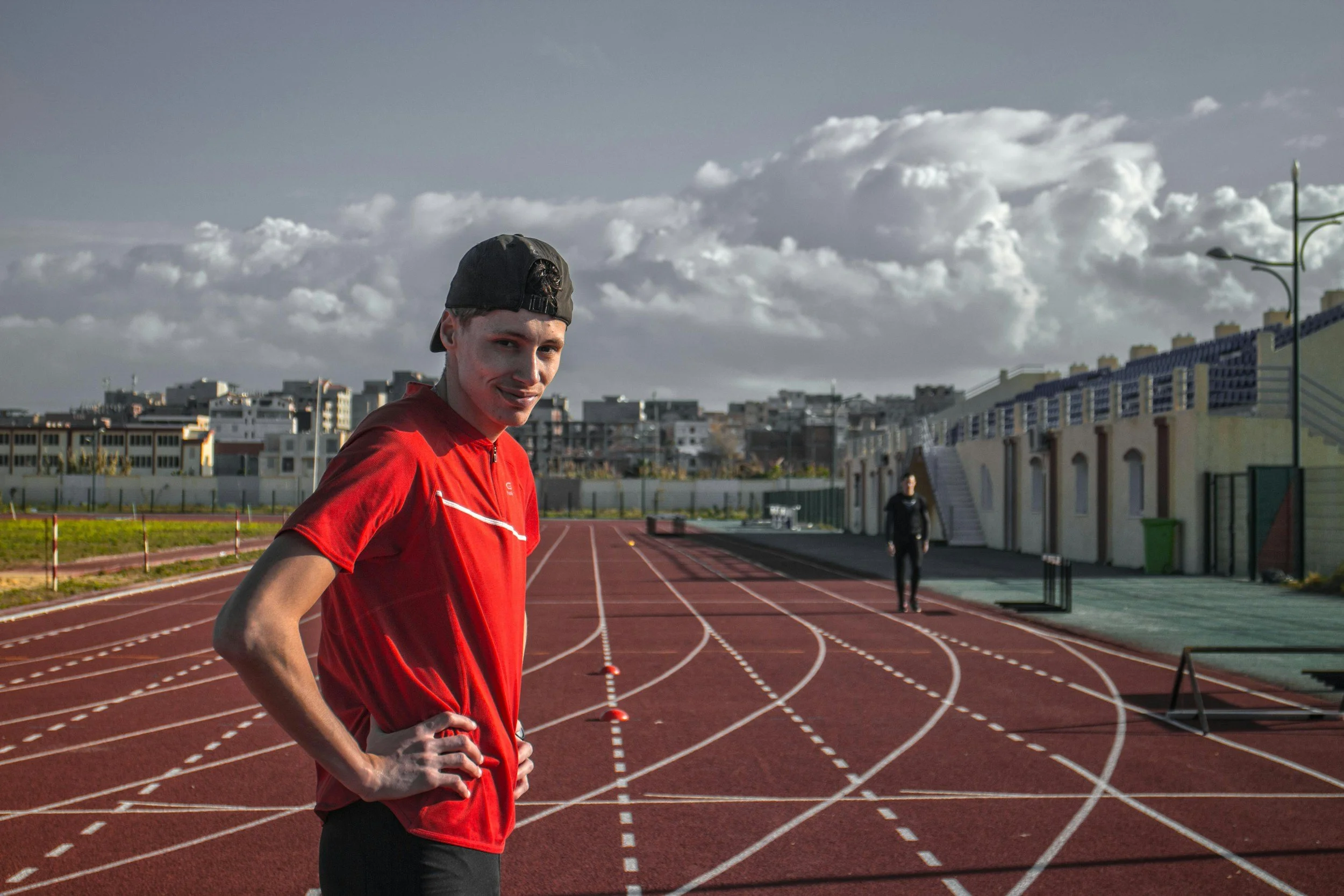
Championship Season Pressure: When Peak Performance Collides with Eating Disorders
Picture a 17-year-old distance runner in New Jersey, three weeks out from the state championship meet. Her coach has been reviewing splits, talking about cutting seconds. She starts skipping team dinners to "save calories," runs extra intervals on her own after practice, and feels crushing guilt if she takes a rest day. She looks committed. She's actually in crisis.
This scenario plays out across every championship season, during state tournaments, NCAA regionals, Olympic trials, or conference finals. Wherever scrutiny over body size, weight, and performance metrics spikes, so does the pressure. Eating disorders in athletes are not just about wanting to lose weight or be thinner. They include anorexia nervosa, which involves severe calorie restriction and distorted body image; bulimia nervosa, which includes binge eating followed by purging behaviors like self induced vomiting; binge eating disorder; and lesser-known conditions like avoidant restrictive food intake disorder (ARFID), which lacks body image distortion but still disrupts fueling.
These struggles can exist in any body size, sport, and competitive level, from club soccer to Division I rowing to professional dance teams. This article will show athletes, families, and coaches how to recognize the problem, choose eating disorder treatment that respects athletic goals, and make safe decisions about championship participation.
How Sports Culture Fuels Eating Disorders, Especially at the End of the Season
Traits that sports culture prizes include, perfectionism, high pain tolerance, and "doing whatever it takes".These can slide directly into disordered eating. As championships approach, these tendencies intensify under the weight of higher expectations, media exposure, and recruiting attention.
Consider the overlapping risk factors:
Black-and-white thinking about "good" vs. "bad" foods
Willingness to ignore fatigue or injury to keep a roster spot
Extreme fear of weight gain or losing a competitive edge
Coaches or peers making comments about leanness or normal body weight
Research shows that approximately 80% of athletes believe they are overweight and want to lose weight, a statistic that reflects how deeply diet culture and weight stigma are embedded in sport. Athletes face pressure to fit into revealing uniforms, endure weigh-ins in wrestling and rowing, and withstand aesthetic judging in gymnastics and figure skating. Playoff periods amplify this through video replay, photos, social media commentary, and recruiting scouts, all of which heighten body image concerns. Female, male, and nonbinary athletes each face different expectations around leanness, muscularity, and appearance, though all are at greater risk during these high-visibility moments.
When Dedication Becomes Danger: Warning Signs in the Lead-Up to Big Competitions
During championship preparations, coaches and families find that early eating disorder signs often look like increased dedication. Subtle shifts deserve close attention. Here are common signs organized by category:
Behavioral clues:

Skipping team meals or creating excuses to eat alone
Obsessively tracking macros, weigh-ins, or calories
Cutting entire food groups right before postseason
Hiding food or binge eating alone after games
Performance clues:
Unexplained energy drops late in the season
Repeated minor injuries or stress fractures
Slower splits, decreased reaction time, dizziness at practice
Taking longer than teammates to recover between efforts
Emotional clues:
Increasing performance anxiety around competitions
Rigid pregame rituals around food
Extreme irritability or depression when routines are disrupted
Intense guilt after eating
Athletes should communicate changes in training load and symptoms to their care team. What looks like toughness might be a medical emergency developing in plain sight.
Health and Performance Costs: REDs, Injury, and Missing the Games That Matter Most
Relative Energy Deficiency in Sport (REDs) describes the mismatch between energy intake and training demands. Athletes are at risk of REDs whenever they restrict food whether it is intentionally or not. Prevalence estimates ranging from 22% to 80% depending on sport and level. REDs often surfaces right before championships, when training volume peaks and athletes cut food intake to "make weight" or look lean.
The concrete health risks for in-season athletes include:
Stress fractures from low bone mineral density
Amenorrhea, menstrual irregularities, or low testosterone
Iron deficiency, immune suppression, and slow wound healing
Medical complications including cardiac arrhythmias and electrolyte disturbances
Medical monitoring addresses complications like stress fractures and low energy availability before they become career-ending. Eating disorders can lead to severe mental health issues like depression, anxiety, and suicidal ideation. The mortality rate for anorexia nervosa is over 12 times higher across all ages. Untreated eating disorders also erode performance: reduced VO₂ max, slower sprint speed, poor decision-making under pressure, and the inability to execute game plans when it matters most. The 988 Suicide & Crisis Lifeline is available 24/7 by dialing 988 for anyone in immediate crisis.
Choosing Health Over the Championship: How to Decide if It's Safe to Compete
This is the hardest decision in sports: can you finish a championship run while in eating disorder treatment? The answer depends entirely on medical stability, not desire.
A qualified multidisciplinary team including a physician, eating disorder therapist, dietitian evaluates risk through vital signs, labs (electrolytes, iron, thyroid), EKG when indicated, weight trends, mental health and injury status. Athletes face unique barriers to care including stigma and fear of losing scholarships, which makes honest reporting difficult.
Red-flag situations where athletes should not compete:
Unstable vital signs (resting heart rate abnormalities, orthostatic hypotension)
Fainting or syncope episodes
Significant electrolyte abnormalities
Active purging, severe restriction, or recent hospitalization
In more nuanced scenarios, limited participation may be possible such as, reduced minutes, no double workouts, mandatory fueling protocols, and frequent medical check-ins. Structured return-to-sport planning helps athletes transition back to training post-treatment when full participation isn't immediately safe.
Stepping back is not quitting. It's the strategy that protects long term recovery and keeps the door open for future seasons.
Encourage open conversations about identity loss and grief if stepping back is necessary. Missing a championship is painful. Losing your health or your life is permanent.
Evidence-Based Eating Disorder Treatment Tailored for Athletes
The most effective treatment for athletes with eating disorders is having a multidisciplinary care team. Core treatment components include eating disorder therapy, nutritional therapy, and medical monitoring, coordinated among treatment providers who understand sport-specific demands. Eating disorder treatment includes addressing biological and psychological factors simultaneously, and treatment should address the unique physical demands and performance goals of each athlete.
Levels of care range from outpatient therapy (for mild to moderate cases with stable vitals) through intensive outpatient programs and partial hospitalization, to residential or inpatient treatment for severe malnutrition or cardiac instability. For patients needing inpatient care, Princeton has a dedicated inpatient unit for eating disorders, and organizations like Monte Nido offer virtual eating disorder treatment programs for those who need flexible access.

Key therapeutic approaches commonly used with athletes include Cognitive Behavioral Therapy (CBT) to challenge performance-related food rules and body image distortions. CBT is also modified for athletes to address performance anxiety specifically. Dialectical behavior therapy builds emotion regulation and distress tolerance during games, reducing self-punishing training behaviors. Family therapy, particularly family-based treatment (FBT), improves treatment outcomes for adolescents whose families are juggling club seasons, high school playoffs, and recovery needs.
A sports-informed dietitian creates fueling plans for training, travel tournaments, and multi-day meets that support eating disorder recovery. Therapy also targets sport-specific cognitive distortions related to body image. Treatment must monitor performance, injuries, and bone health in addition to psychological stability. Treatment for athletes includes modified exercise approaches rather than complete cessation. The goal is helping athletes maintain a safe relationship with movement, not severing it.
Staying in the Game Safely: Modifying Training During Disorder Recovery
For many athletes, an all-or-nothing approach - "either I'm full-go or I quit" - can worsen disordered eating. Thoughtful modifications protect both health and well being.
Concrete training adjustments during the recovery process might include:
Capping weekly mileage or total training hours
Eliminating double practices and unsupervised "extra" conditioning
Shifting from weight-based goals to skill and strategy work
Cross-training (swimming, cycling) when a stress fracture or REDs makes the primary sport unsafe
Rest and recovery days should be reframed as performance tools, not failures. Elite athletes and endurance sports programs periodize rest before championships precisely because it works. Coaches who establish clear communication plans with the treatment team (with consent), avoid sending mixed messages about weight, playing time, and food during playoff runs.
Rebuilding Identity Beyond the Scoreboard
Championships are often tied to scholarships, rankings, and social status. Stepping back for eating disorder treatment can feel like losing your entire identity and crushing your self esteem.
Therapeutic work in this phase focuses on expanding identity beyond sport: values clarification, exploring interests like music or academics, and finding team roles not tied to minutes or medals. Body image work helps athletes separate self-worth from stats, weight, or uniform size, building positive body image through body neutrality and compassion-focused strategies. This kind of self care deepens long-term resilience and actually supports performance by reducing panic over any single season.
Peer support groups can reduce isolation for athletes navigating this transition, though they should not replace professional treatment. Some athletes ultimately change events, levels of competition, or sports to support ongoing eating disorder recovery. This is an empowered, not "failed," choice. A supportive environment and a safe space to grieve, heal, and grow make all the difference in a recovery journey.
How Serendipity Counseling Supports Athletes in Eating Disorder Recovery
Serendipity Counseling specializes in treating eating disorders in adolescent, collegiate, and adult athletes who face unique challenges during high-pressure periods like championship seasons. The practice takes a trauma-informed, weight-inclusive approach and collaborates with coaches, athletic trainers, and sports medicine physicians when clients consent.
Using dialectical behavior therapy, CBT, group therapy, and other evidence based modalities, Serendipity Counseling helps athletes manage intense emotions around tryouts, roster cuts, playoffs, and end-of-season evaluations. Care is structured across the sports calendar, using off-season windows for deeper body image and self esteem work, and in-season periods for performance-adjacent coping strategies and prevention of relapse.
Services include individual therapy, family sessions, coordination with dietitians and medication management providers, and telehealth options for athletes traveling for tournaments. To schedule a free consultation, pick a time that works best for you!
About the Author: Kate Ringwood
Kate Ringwood is a licensed clinician and key therapist at Serendipity Counseling, specializing in eating disorder treatment and athlete mental health. She works with high school, NCAA, and club-level athletes across sports including distance running, gymnastics, swimming, soccer, cheer, and dance.
Kate sees athletes in person near Cherry Hill, NJ and virtually across NJ, PA, MD, VT, FL and AZ. If you or a loved one is struggling with an eating disorder during championship season, contact Kate through Serendipity Counseling to schedule an initial consultation.
Frequently Asked Questions About Championship Seasons and Eating Disorder Treatment for Athletes
Can I keep competing during championship season if I'm in eating disorder treatment?
The answer depends on medical stability, current behaviors (restriction, binge eating, purging, compulsive exercise), and guidance from a qualified treatment team, not just your desire to play. Physicians and therapists evaluate risk using vital signs, labs, injury status, and overall functioning rather than weight alone. Sometimes limited, modified participation is possible with strict fueling protocols. In other cases, pausing competition is the safest path to long term recovery. About 1 in 4 student athletes have eating disorders, so you are far from alone in navigating this decision.
How do I tell my coach I'm struggling with an eating disorder right before playoffs?
Choose a private time, bring a parent or provider if helpful, and focus on health rather than weight details. Language like "I'm working with a treatment team on an eating disorder, and we need to adjust my training to keep me safe" is direct and effective. Serendipity Counseling can, with consent, support these conversations and help coaches understand medical recommendations so families find the process less overwhelming.
What if I'm afraid that getting treatment means I'll lose my scholarship or starting spot?
This fear is valid. Scholarships, roster spots, and recruiting timelines create real pressure during eating disorder recovery. But untreated eating disorders and REDs can end careers entirely through medical complications, while early treatment increases the likelihood of returning to sport healthier and stronger. Involving athletic departments or school counselors can help explore accommodations, including those related to low weight or weight gain concerns.
Is binge eating disorder common in athletes, or is it mostly about restriction?
Binge eating disorder is actually the most common eating disorder in the U.S. and is present across athletic populations, often hidden behind "bulking" language or post-game overeating. Cycles of under-fueling before weigh-ins or big meets can biologically drive binge eating episodes later. Athletes experiencing recurrent binge eating should seek specialized treatment rather than assuming it is a willpower issue.
How can parents support a young athlete in eating disorder recovery during tournament season?
Parents play a critical role in healing during championship periods. Prioritize medical guidance over playing time. Protect fueling schedules around games and practices. Monitor for purging, compulsive exercise, or signs of depression and anxiety. Model body-neutral, non-diet talk at home and avoid comments about body size or weight loss. Coordinate with treatment providers on decisions about travel tournaments, doubleheaders, and overnight events. Family sessions at Serendipity Counseling help parents learn supportive language and boundaries so they can lead their athlete toward recovery without inadvertently reinforcing harmful programs or patterns.